


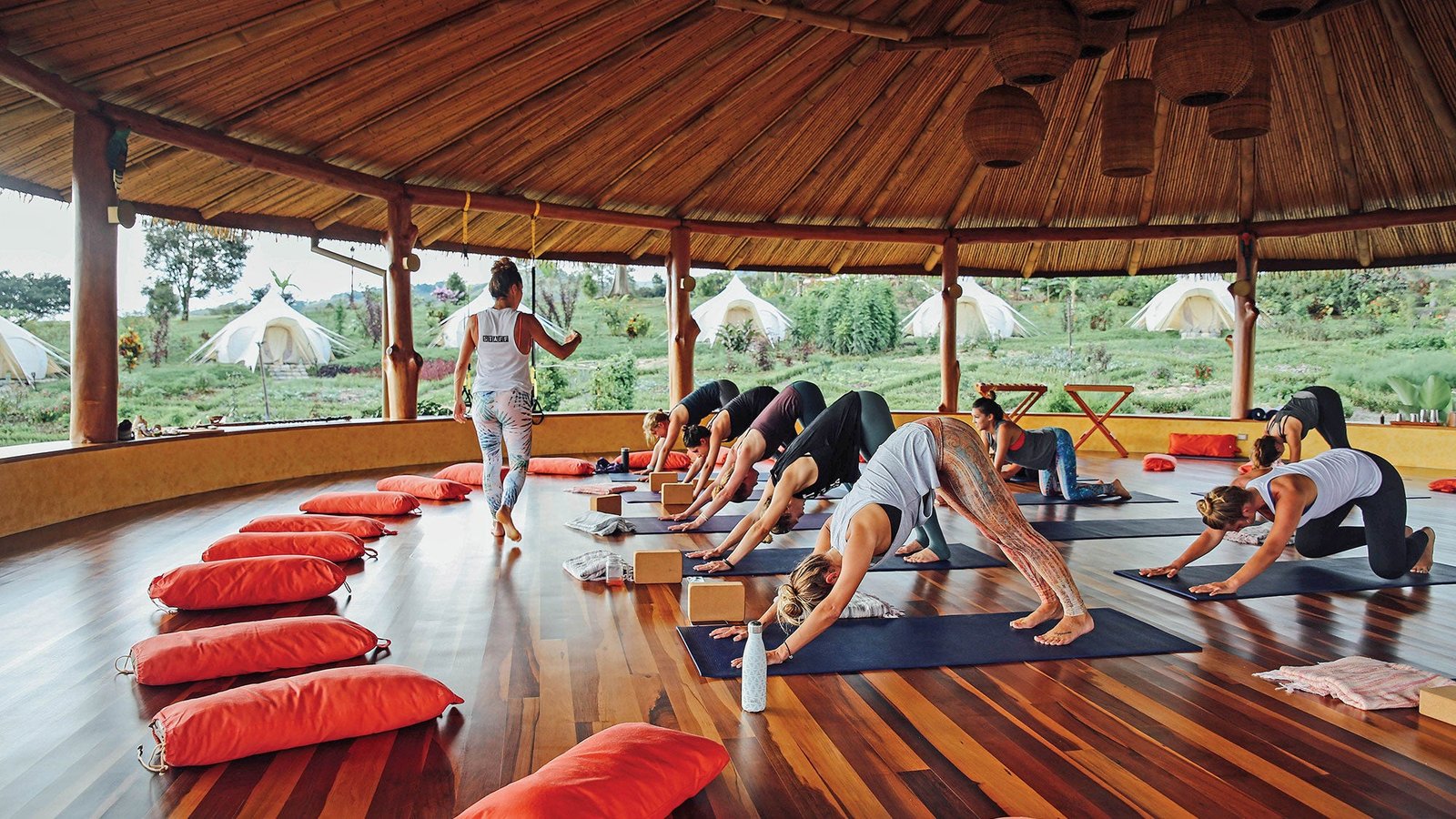
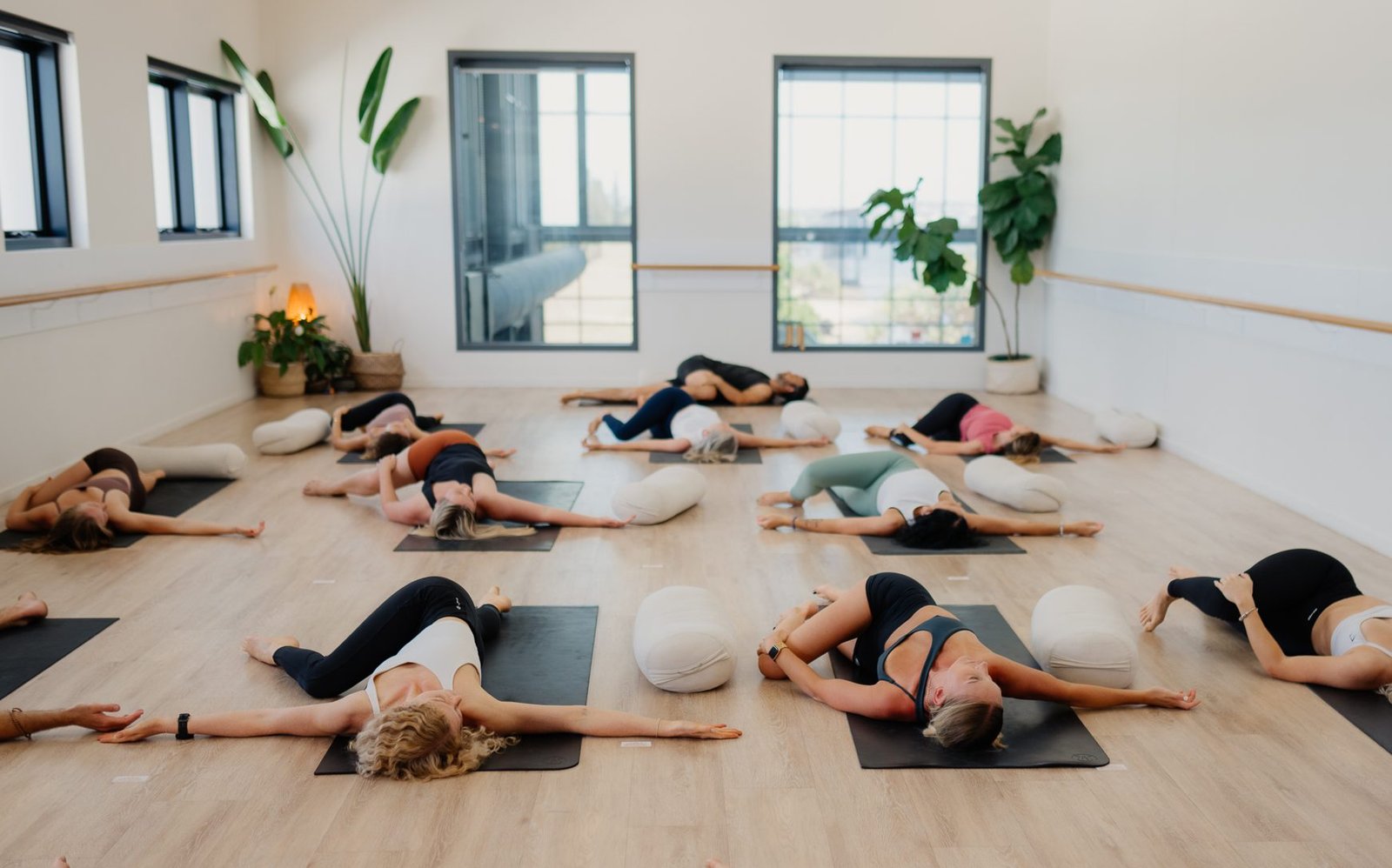
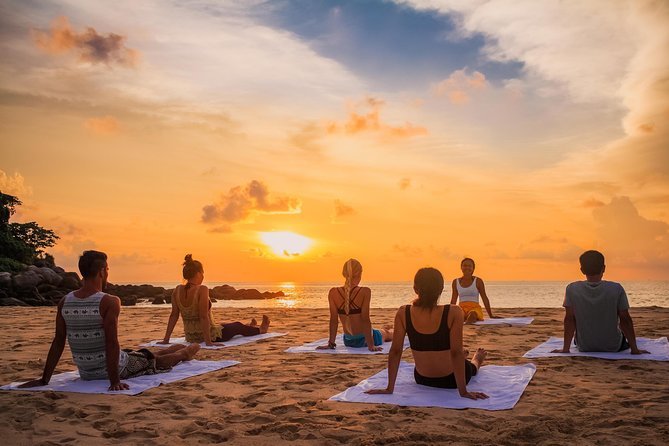

The best yoga retreat I ever attended wasn’t at the fanciest centre. It wasn’t the most beautiful location either. What made it extraordinary was the room. Twenty people, all of whom had made a quiet, unspoken commitment to show up fully, to be present, to hold the space for each other. The stillness we built together by day three was unlike anything I’d experienced on a solo mat at home.
That kind of experience is available to you. And it’s easier to step into than most people think.
Yoga retreat etiquette isn’t a list of rules designed to trip you up. It’s a short set of simple agreements that make the whole experience richer for everyone in the room, including you. If you’re reading this, you’re already the kind of person who will get it right.
Quick summary — yoga retreat etiquette in 8 lines
- Dress modestly. Cover shoulders and knees, especially at retreats in India or Bali.
- Arrive on time, every session. The opening minutes set the tone for the whole class.
- Tell your teacher about injuries before the first session. They’re there to help you.
- Silence hours are part of the practice. Give them a real chance.
- Put the phone away during free time too. Some of the best moments happen offline.
- Stay for savasana. It’s where everything you worked for actually settles in.
- Keep the practice space focused. It helps everyone, including you.
- Let connections form naturally. Retreats produce some of the most genuine friendships you’ll make.
Common questions people ask about yoga retreat etiquette
“what to wear at yoga retreat” — Loose, modest clothing. Cover shoulders and knees outside the hall. When in doubt, go more modest.
“yoga retreat phone rules” — Off during sessions. In free time, keep calls out of common areas. The offline hours are often where the magic is.
“can you smoke at a yoga retreat” — Most retreats are strictly smoke-free. Check before booking.
“yoga retreat etiquette India” — Modest dress near temples, tip fairly, learn a few words of Hindi. Small gestures make a real difference.
“first time yoga retreat tips” — Arrive early, tell your teacher about any injuries, honour the silence hours, and put the laptop away. That’s genuinely all it takes.
“can couples go to yoga retreat” — Yes, and it can be a deeply connecting experience. In the practice space, treat it as your own individual journey.
“yoga retreat dress code UK vs India” — UK retreats are more relaxed. India and Bali require covered shoulders and knees throughout.
Why does yoga retreat etiquette make your experience better?
A yoga retreat isn’t a hotel stay with some stretching thrown in. It’s something rarer than that.
It’s a shared, intentional space where people arrive carrying the weight of real life, grief, burnout, the particular exhaustion of always being reachable, and choose to put it down for a while. When everyone in the room honours that, something genuinely remarkable happens. The practice deepens faster. Connections form with surprising ease. You leave changed in ways that a week at a spa simply doesn’t produce.
Retreat etiquette is what protects that environment. Think of it less as a rulebook and more as the thing that makes the extraordinary possible.
What’s the difference between yoga retreat rules and yoga retreat etiquette?
Rules are posted on notice boards. Etiquette is what you bring with you. A retreat centre can enforce a phone ban and a dress code, but the quality of the shared space depends entirely on the awareness each person walks in with. That awareness is something you already have, or you wouldn’t be preparing for this.
| Do | Avoid |
| Dress modestly — cover shoulders and knees | Wear beach or revealing clothing in sacred spaces |
| Arrive on time, every session | Walk in mid-pranayama or mid-sequence |
| Tell your teacher about injuries beforehand | Wait until you’re wincing mid-pose |
| Honour silence hours fully | Make calls or work in common areas |
| Stay for savasana | Roll up your mat and leave early |
| Engage with the local culture | Stay inside your comfort zone the whole time |
| Keep the practice space free of intimacy | Display physical affection in the yoga hall |
| Let connections form naturally | Network, pitch, or hand out business cards |
What are the do’s of yoga retreat etiquette?
1. Do dress appropriately for where you are
This is the easiest way to signal respect before you’ve said a single word. In Rishikesh, Bali, Kerala, or any retreat set within a living cultural and spiritual tradition, modest dress matters, both inside the yoga hall and outside it.
Cover your shoulders and knees. Wear loose, comfortable clothing that lets you move freely. Most retreat centres tell you exactly what to wear in their booking confirmation. When in doubt, err on the side of modest.
There’s something grounding about dressing with intention before a session. It signals to your own nervous system that this time is different. Many practitioners find it becomes a ritual they carry home.
2. Do arrive on time — every single time
The opening minutes of a yoga session are where the teacher builds the energetic container for everything that follows. When you’re in the room from the start, you catch that. You feel the shift from ordinary time into practice time. It’s a transition worth being present for.
Set two alarms. Sleep early if you need to. Treat the session timing the way you’d treat a flight. The people who arrive consistently on time tend to get the most from a retreat, because they don’t spend the first ten minutes of each class catching up.
3. Do tell your teacher about physical limitations
Before your first session, let your teacher know about any injuries, health conditions, or anything your body is working through. This single conversation can transform your entire retreat.
A good teacher will modify poses for you, watch your alignment, and make sure you’re building rather than straining. They genuinely want to know. You’re not being a burden by saying something. You’re giving them the information they need to actually help you.
4. Do honour the silence
Most retreats, especially ashram-style retreats in Rishikesh or Kerala, include designated quiet hours: early mornings, mealtimes, after evening sessions. Many first-timers aren’t sure what to make of this.
Give it a real chance. The sessions plant something. The silence is where it takes root. Practitioners who lean into the quiet hours rather than resisting them almost always describe it as the part of the retreat that surprised them most. Some of the most important realisations don’t arrive during practice. They arrive in the stillness after.
5. Do treat shared spaces with care
Retreat centres are often run by small, devoted teams. The kitchen, the practice hall, the garden, these spaces are maintained with genuine care. Treating them well is a form of respect for everyone who tends them and everyone who shares them with you.
Leave your mat clean. Wash your dishes if that’s the system. Keep your belongings in your room rather than spread across common areas. Small things. They add up to a space that feels clean and welcoming for the whole group.
6. Do engage — this is where the real experience lives
One of my favourite memories from a retreat in Rishikesh came not from a yoga session but from dinner. A couple from Germany, mid-forties, first time in India, sat down and greeted the ashram staff in warm, conversational Hindi. Not tourist Hindi. Real Hindi. The room lit up instantly. Staff who’d been quietly professional all week became warm and animated. Laughter happened. Stories were shared.
I hadn’t made that effort. I speak Hindi and was too caught up in my own retreat bubble to even try. I’ve thought about that moment many times since.
Engage with where you are. Learn two words of the local language. Try the meditation style that feels unfamiliar. Say yes to the conversation at dinner. The practitioners who get the most from retreats aren’t the most advanced. They’re the most open. That’s entirely available to you.
What should you avoid at a yoga retreat?
These are small things, easy to overlook if nobody mentions them, but worth knowing before you arrive.
1. Smoking near the practice space
Most yoga retreats are smoke-free, and for good reason. Pranayama, breathwork, is at the heart of the practice. If smoking is something you’d find difficult to pause for a week, check the retreat’s policy before booking so you can choose somewhere that works for you.
2. Physical intimacy in shared practice spaces
Couples attend retreats together all the time, and it can be a genuinely connecting experience. In the yoga hall itself, treat it as your own individual journey. Save tenderness for your room, the walk by the river, the dinner table. The practice space holds something different.
3. Networking between sessions
Real connections form at retreats. Often the best ones you’ll make. But let them form naturally, over meals and walks and shared practice, rather than through an agenda. The people you meet here aren’t contacts. They’re fellow travellers.
4. Pushing your beliefs on others
Retreats gather people from genuinely different backgrounds. Vegans and non-vegans. Devotees and atheists. Early risers and reluctant morning people. The diversity is part of what makes the experience rich. Share your perspective if someone asks. Otherwise, let everyone have their own retreat.
5. Staying connected to work and home
I’ll be honest about this one. During an early retreat in Rishikesh, I’d take loud phone calls in the common areas during free time and open my laptop every chance I got. I told myself it was fine because I wasn’t in the yoga hall. It wasn’t fine. And more than that, I was cheating myself out of the experience I’d travelled thousands of miles to have.
Put the phone away. Close the laptop. The work will be exactly where you left it when you return. What happens in those free hours at a retreat, the quiet walks, the unexpected conversations, the moments of genuine stillness, that’s the part people talk about for years afterwards.
6. Leaving before savasana
Savasana, the final resting pose, is where your nervous system integrates everything the session just gave you. Many teachers consider it the most important pose of all. Stay for it. Every time. It’s not a cooldown. It’s the point.
How does cultural awareness make your retreat experience richer?
If you’re travelling to India, Bali, Sri Lanka, or anywhere with a deep indigenous relationship to yoga, you’re stepping into something much older and more layered than the global wellness industry. That’s not a burden. It’s an extraordinary privilege.
Learn a few words of the local language before you arrive. Even three words will open doors that stay closed to people who don’t try. Research the customs around temples and sacred spaces. Tip fairly. Buy local where you can. Ask your retreat host what matters in that specific setting.
The practitioners who come home most transformed aren’t always the ones who did the most advanced poses. They’re often the ones who showed up with genuine curiosity about where they were.
UK travellers can check current guidance via the UK Foreign Office India travel advice at gov.uk/foreign-travel-advice. US travellers should check the US State Department India page at travel.state.gov. For teacher credentials, use the Yoga Alliance Teacher Directory at yogaalliance.org.
Frequently asked questions about yoga retreat etiquette
What should I wear to a yoga retreat?
Loose, comfortable, and modest clothing is the safest choice, especially at retreats in India, Bali, or other culturally rich destinations. Cover shoulders and knees outside the practice hall. Inside, wear whatever lets you move freely. Most retreat centres will tell you exactly what’s appropriate in their pre-arrival information.
Can I smoke at a yoga retreat?
Most yoga retreats are strictly smoke-free. Pranayama, breathwork, is central to the practice. Always check the retreat’s policy before booking so you can find somewhere that fits your needs.
Is it okay to use my phone during a yoga retreat?
During sessions, no. During free time, use judgment. Many retreats encourage a full digital detox, and most people who try it describe the offline hours as unexpectedly liberating. The conversations and quiet moments that fill the space are often what people remember most.
Can couples attend yoga retreats together?
Yes, and many couples describe it as one of the best things they’ve done together. In the practice space, treat it as your individual journey. Outside it, you’ll have plenty of time to share the experience.
What if I disagree with the retreat’s dietary or spiritual approach?
Approach it with curiosity rather than resistance. Most people who try something unfamiliar at a retreat, a new style of meditation, a different way of eating, come away surprised. If a retreat’s approach genuinely doesn’t match your values, choose a different one. There are good retreats across a wide range of styles and philosophies.
Is it rude to leave a yoga retreat early?
Try to stay for every session, including savasana. If you need to leave the retreat itself before it ends, let the centre know as early as possible. Most facilitators are understanding. Just give them the chance to prepare.
What’s the etiquette for a complete beginner at a yoga retreat?
You belong there just as much as anyone else. Tell your teacher about your experience level before the first session. Follow the schedule, including the silence hours. Let yourself be a beginner. The practitioners who try to keep up with more experienced students often miss the retreat entirely. The ones who go at their own pace tend to get the most out of it.
Ready to go?
The retreats that change people aren’t always the most expensive or the most remote. They’re the ones where the participants showed up with genuine intention. Where people put the phone down, stepped into the silence, and let the experience do what it’s designed to do.
You already know enough to be that person. The etiquette is simple. The experience it makes possible is not.
Pack your bag. Book the retreat. Show up ready to receive it fully.
Ready to find your retreat? Subscribe to the niryoga newsletter for honest retreat guides, destination reviews, and practitioner tips — written from real experience, not press releases.
Subscribe to the niryoga newsletter at niryoga.com

